
Windows
Light, framed
We choose windows by what the house and the salt air call for, not from a catalogue: the frame material, how each window opens, the glass, and the sightlines from inside.
01Materials
Four frames
The frame decides how slim the sightlines can be, which colors hold, and how the window ages in salt air.
01
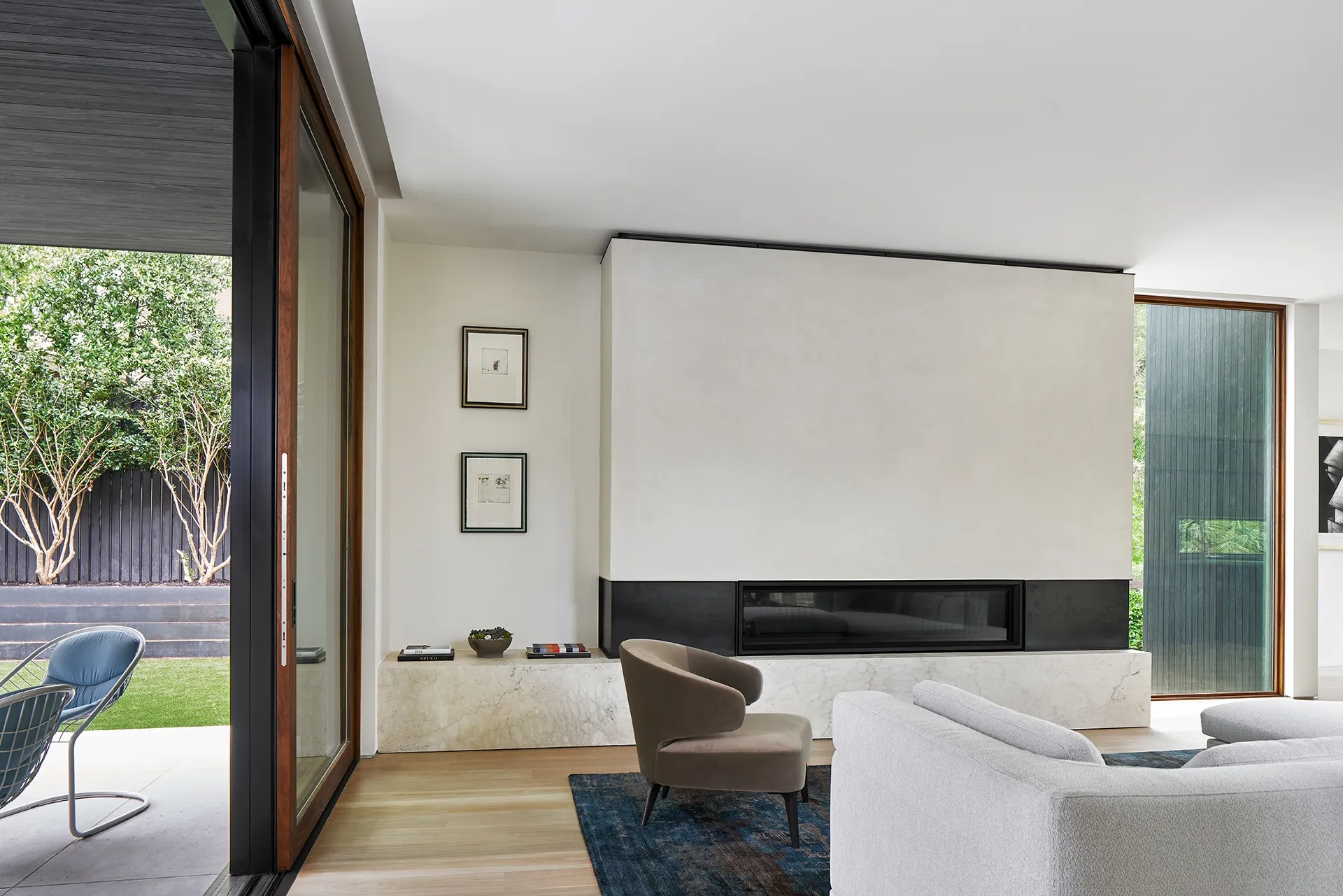
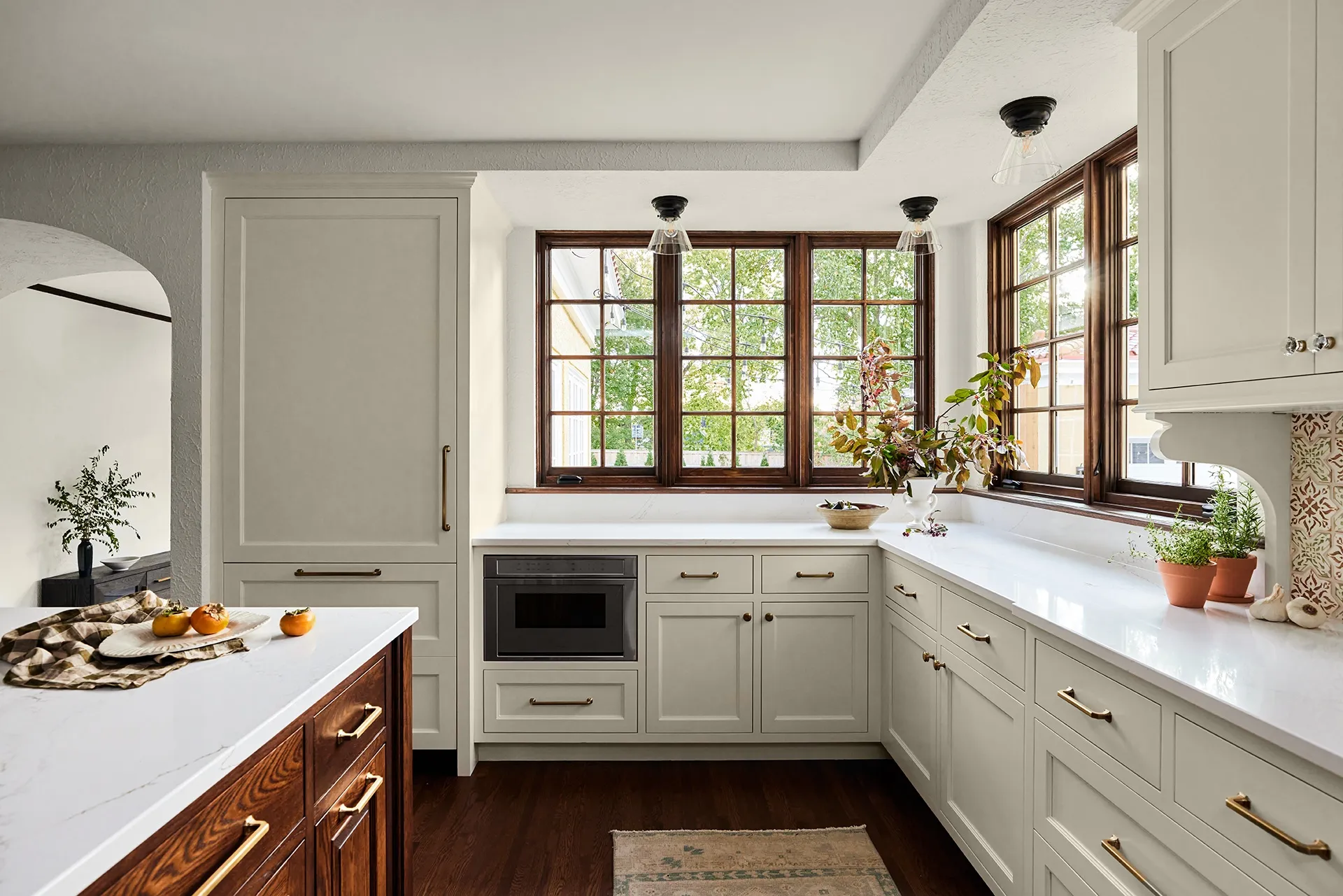
Wood and clad wood
Real wood inside, for the warmth and detail of a traditional or Craftsman interior. Clad versions wrap the exterior in aluminum or a composite, so the outside face needs little upkeep.
Best for
Period houses, Craftsman and Spanish revival, interiors with stained or painted millwork.
02
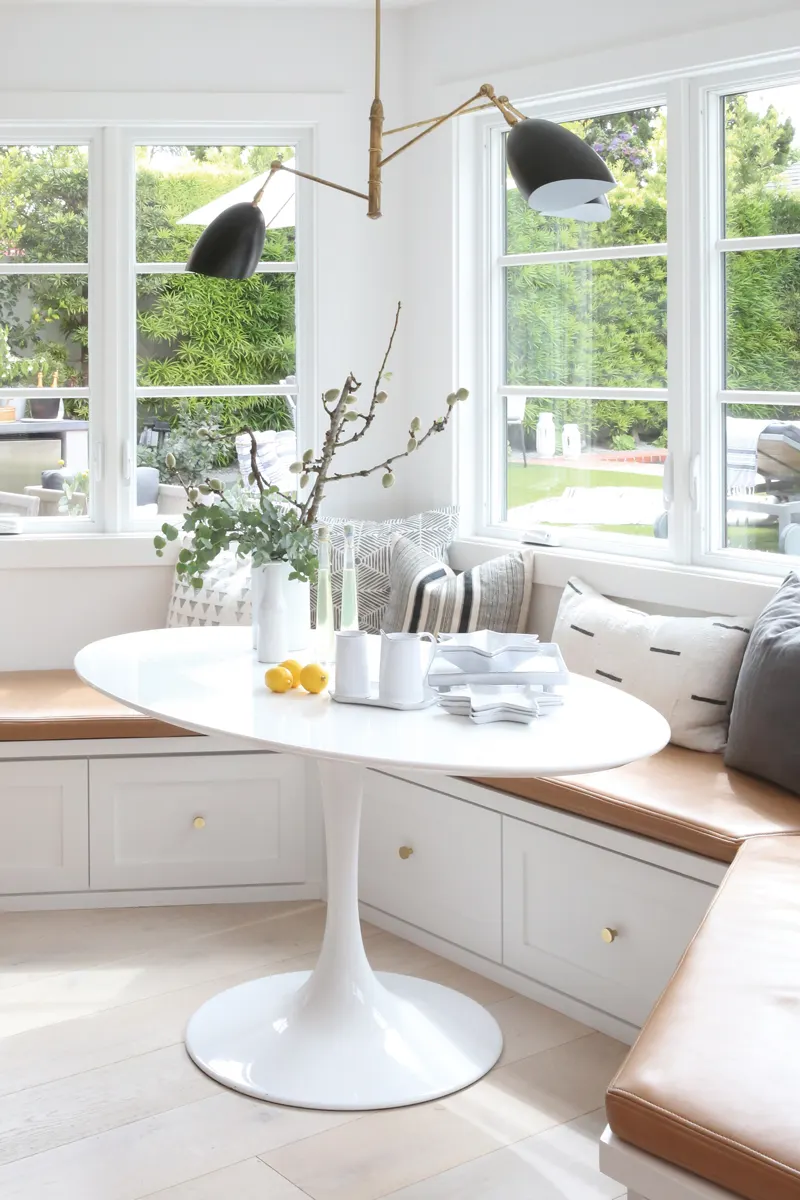
Fiberglass
Strong and stable through heat and cold, so frames can be slimmer than vinyl and painted finishes hold. A good all-round choice close to the water.
Best for
Coastal houses that want slim frames and darker colors without the cost of aluminum.
03
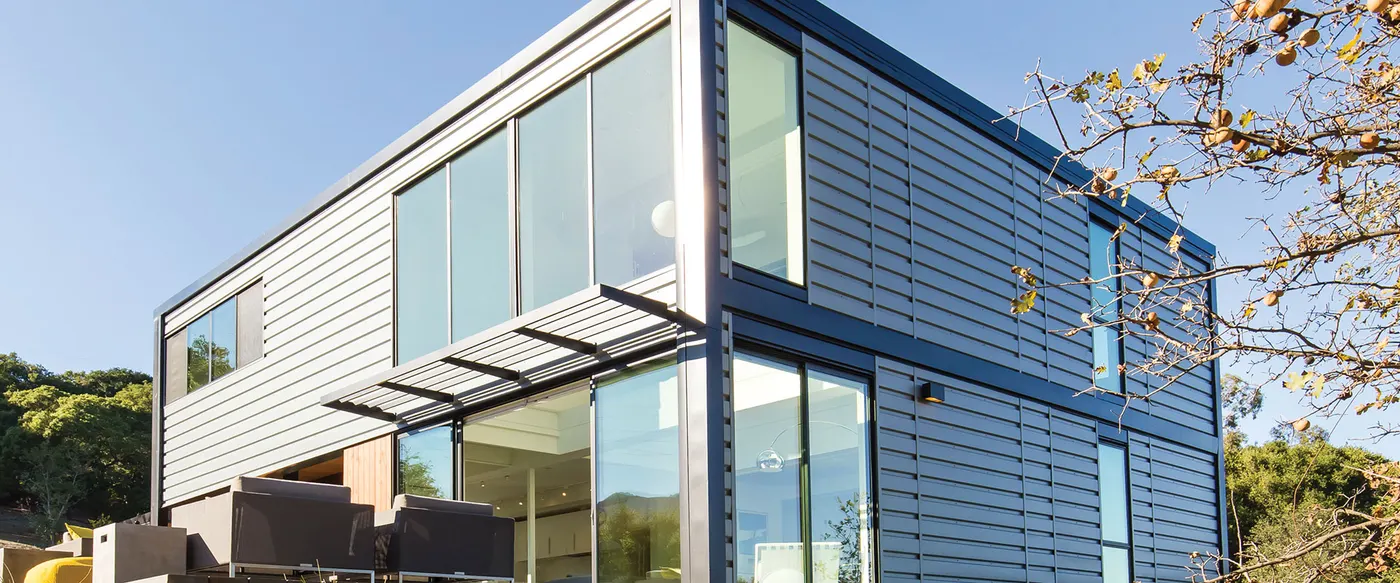
Aluminum
The thinnest frames and the largest panes, for modern houses where the glass should read as a wall. Thermally broken frames limit heat transfer.
Best for
Modern and mid-century houses, tall openings, window walls.
04
Vinyl
Practical, well insulated and low maintenance. Today’s better vinyl windows have narrower frames and come in more colors than they once did.
Best for
Bedrooms, secondary rooms, rentals and multi-family, budgets that need to go further.
02Operation
How they open
Most houses use several. We match each opening to the room and the facade.
Casement and awning
Hinged at the side or the top and cranked open. They seal tightly when closed and catch the breeze when open.
Double- and single-hung
Sashes that slide up and down. The classic proportion for traditional facades.
Sliders
Sashes that slide sideways. Simple, and good for wide, low openings.
Picture and direct-set
Fixed glass with the slimmest frame, used where the view matters more than ventilation.
Shapes and transoms
Arches, rakes and transoms made to the opening, to keep the architecture intact.
03Installation
Retrofit, full-frame or new
Retrofit
The new window fits inside the existing frame, so stucco and interior trim are left as they are. Faster and less disruptive. It works when the existing frame is sound.
Full-frame
The old window comes out down to the framing, and the new one is flashed and sealed into the wall. The right choice when frames are damaged, when you want the most glass, or when the trim is being redone anyway.
New construction
Windows for additions, remodels and new houses, set with nailing fins before the walls are finished, and coordinated with your builder’s schedule.
Adding a sunroom or patio cover? See sunrooms and patio covers.
Window manufacturers we install
- LaCantina
- Western Window Systems
- Andersen
- Marvin
- Milgard
- And others
Questions
Often asked
Anything else is best answered in person, at the house.
Retrofit or full-frame?
If the existing frames are sound and you like the trim, retrofit is quicker and leaves the stucco and drywall alone. If there is water damage, or you want slimmer sightlines and more glass, full-frame is the better job. We look at each opening at the consultation and tell you which it needs.
Which material is best near the ocean?
Salt air is hard on finishes and hardware. Fiberglass, clad wood and good aluminum with coastal-grade finishes all do well. What matters most is the finish and hardware specification, which we go through with each manufacturer before ordering.
Can windows make the house quieter?
Yes. Laminated glass and dissimilar pane thicknesses reduce road and aircraft noise noticeably, and a well-sealed installation matters as much as the glass. Tell us which rooms face the noise.
Do I need a permit to replace windows?
In most Orange County cities, yes. We prepare and pull the permit, including the energy-compliance paperwork, and schedule the inspection.
Consultation
Start with the house
An estimator will walk each room with you, look at the frames and the facade, and recommend a material and system for every opening.
Or call 714-752-3407